Is this a religious pilgrimage or a tour?
This journey is both. While we handle all logistics professionally, the experience is deeply spiritual. We facilitate puja at Manasarovar, provide time for personal practice, and respect the sacred nature of the sites. Many pilgrims join for religious reasons, while others come for the unique cultural and natural experience. Both are welcome.
How difficult is the Kora (circumambulation)?
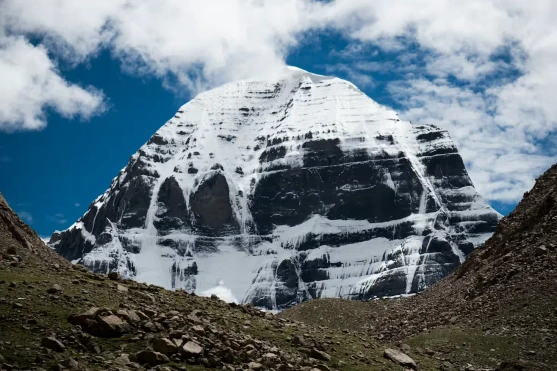
The 52km Kora is challenging, primarily due to the altitude. Day 1 is moderate (20km, gradual ascent). Day 2 is extremely challenging - you climb to Dolma La at 5,630m, then descend long distances. Total walking time 8-10 hours at extreme altitude. Day 3 is easy (10km descent). Good fitness, prior high-altitude experience, and mental determination are essential. Horses can be hired for those who cannot trek the entire circuit.
Can I skip the Kora and just visit Manasarovar?
Yes! Some pilgrims, particularly those with health concerns or limited time, choose to only visit Lake Manasarovar and view Mount Kailash from Darchen without doing the full Kora. This is perfectly acceptable. Please inform us at booking so we can adjust arrangements.
What permits do I need for Kailash?
You need: 1) China Visa (from your local Chinese embassy), 2) Tibet Travel Permit, 3) Alien's Travel Permit, 4) Military Permit, and 5) Special Kailash Permit. We arrange all Tibet permits for you - we need your passport copy at least 30 days before travel. China Visa must be obtained separately, but we provide support documents.
How do I get to Kathmandu?
Kathmandu is served by Tribhuvan International Airport with flights from major cities including Delhi, Dubai, Doha, Bangkok, Kuala Lumpur, and Singapore. Many pilgrims also arrive overland from India. We recommend arriving at least one day before the tour starts to rest and prepare.
What is the accommodation like during the pilgrimage?
In Kathmandu, you'll stay in comfortable 3-star hotels. In Tibet, accommodation ranges from basic guesthouses (Kyirong, Saga, Darchen) to very basic guesthouses/tents during the Kora (Dirapuk, Zutulphuk). Expect shared facilities, no frills, and the focus on spiritual experience rather than luxury. This is part of the pilgrimage tradition.
Will I suffer from altitude sickness?
Most people experience some symptoms at altitude - headache, fatigue, shortness of breath. Our itinerary includes gradual acclimatization with rest days. However, Dolma La at 5,630m is extremely high and affects everyone. We carry oxygen and our guides are trained in altitude sickness recognition. Listen to your body and inform your guide immediately if you feel unwell.
What should I pack for this pilgrimage?
Essentials: warm layers (temperatures near freezing at night), waterproof jacket, comfortable trekking boots, trekking poles, sleeping bag (rated to -10°C), headlamp, water bottles, sunscreen, sunglasses, hat, personal medications, and toiletries. Modest clothing for monastery visits. A detailed packing list will be provided after booking.