Do I need a visa and permits for Tibet?
Yes. You need both a China Visa (obtained from your local Chinese embassy/consulate before travel) AND Tibet Travel Permits. We arrange all Tibet permits for you - we need a clear passport copy at least 20 days before travel. Note that independent travel in Tibet is not permitted; you must be accompanied by a guide (included).
How do I get to Lhasa?
Most travelers fly into Lhasa Gonggar Airport from major Chinese cities like Chengdu, Beijing, Shanghai, or Kathmandu (seasonal). Flights from Kathmandu offer spectacular Himalayan views. Alternatively, the Qinghai-Tibet railway from mainland China offers a scenic overland option but takes 20+ hours.
How will the altitude affect me?
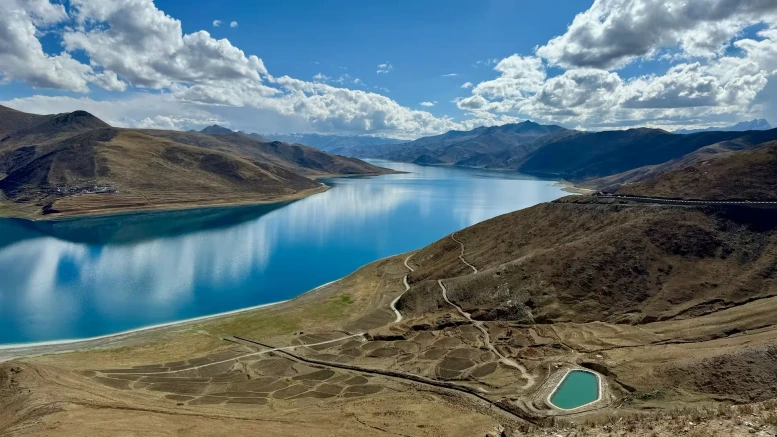
Lhasa is at 3,650m and you'll cross passes up to 4,794m. Most people experience some symptoms like mild headache, shortness of breath, or fatigue. Our itinerary includes acclimatization time in Lhasa. We recommend: rest on arrival, drink plenty of water, avoid alcohol, and move slowly. Oxygen cylinders are available in the vehicle for emergencies.
What is the accommodation like in Tibet?
We use comfortable 3-star hotels in all destinations. In Lhasa, hotels are modern with good facilities. In Gyantse and Shigatse, accommodation is comfortable but more basic - expect clean rooms with attached bathrooms and hot water (may be limited at peak times). All hotels are centrally located for exploring.
Can I take photographs at monasteries?
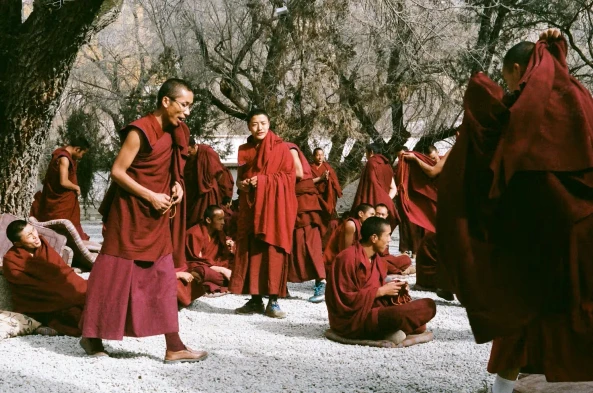
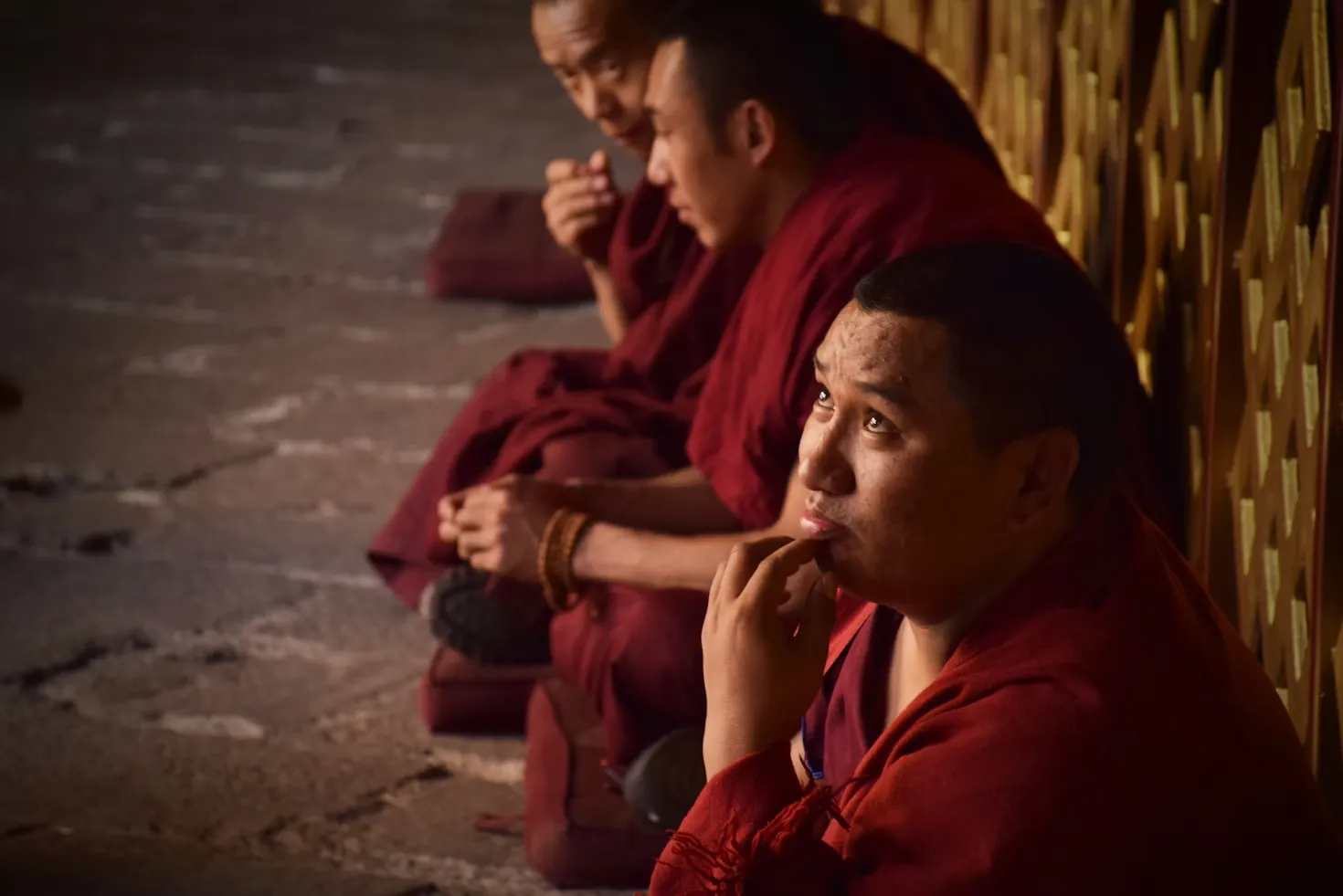
Photography is generally allowed in monastery courtyards and exterior spaces, but strictly prohibited inside temple halls out of respect. Always look for signs and ask your guide before photographing. When photographing monks or pilgrims, ask permission first - a smile and gesture goes a long way.
What should I pack for Tibet?
Essential items: layers (temperatures vary greatly), warm jacket (even in summer), sun hat, sunglasses, high-SPF sunscreen, lip balm, reusable water bottle, personal medications, and comfortable walking shoes. Modest clothing covering shoulders and knees is required for monastery visits. A daypack for daily essentials is useful.
Is Tibetan food included? Will I like it?
Meals include a mix of Tibetan, Nepali, and Chinese cuisine. Tibetan staples include tsampa (roasted barley flour), momos (dumplings), thukpa (noodle soup), and butter tea. If you're concerned about adjusting, restaurants also offer familiar Chinese dishes. Let us know of any dietary requirements in advance.