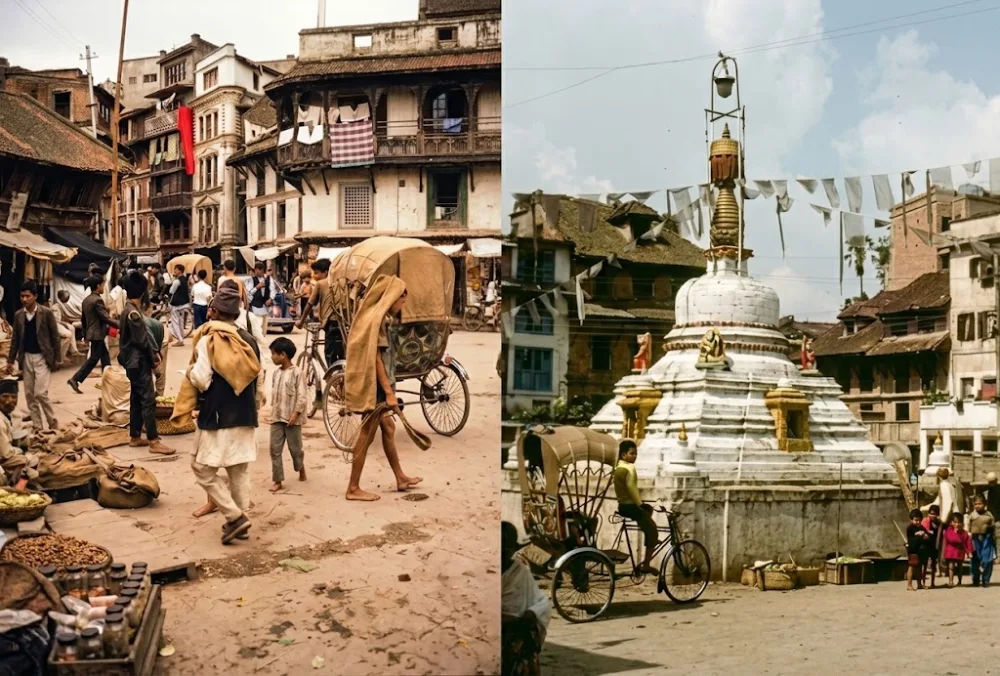
Tribhuvan International Airport is small, and the baggage belt moves at its own pace. But the real introduction comes when you step outside.
A crowd of "helpful" people will offer to carry your bags, recommend a hotel, or "just help you find a taxi." Do not accept these offers casually. Many will demand an inflated tip afterward, sometimes aggressively. The same applies to taxis: meters are rarely used, and foreigners are routinely quoted double or triple the fair price. Negotiate before you get in, or use a ride-hailing app like Pathao, which is more reliable for quick trips within the city.
Thamel: The Backpacker Maze
Most travelers land in Thamel, and for good reason. It's a dense tangle of narrow alleys packed with trekking gear shops, rooftop restaurants, guesthouses, and currency exchange counters. It's noisy, commercial, and sometimes overwhelming, but it's also the easiest place to buy last-minute gear, meet other travelers, and get your bearings.
The catch: Thamel is also where most of Kathmandu's tourist scams concentrate. Exchange rates at airport counters and souvenir shops are poor; exchange only a small amount at the airport and handle larger amounts at reputable shops in Thamel. If someone offers to "help" you find something or take you somewhere, be clear about whether there's a cost before you agree.
The Temples: Sacred, Living, and Sometimes Demanding
Kathmandu's UNESCO sites are genuinely extraordinary, but they're not quiet museum pieces. They're living spaces where faith and daily life collide, and where tourists are sometimes treated as walking wallets.
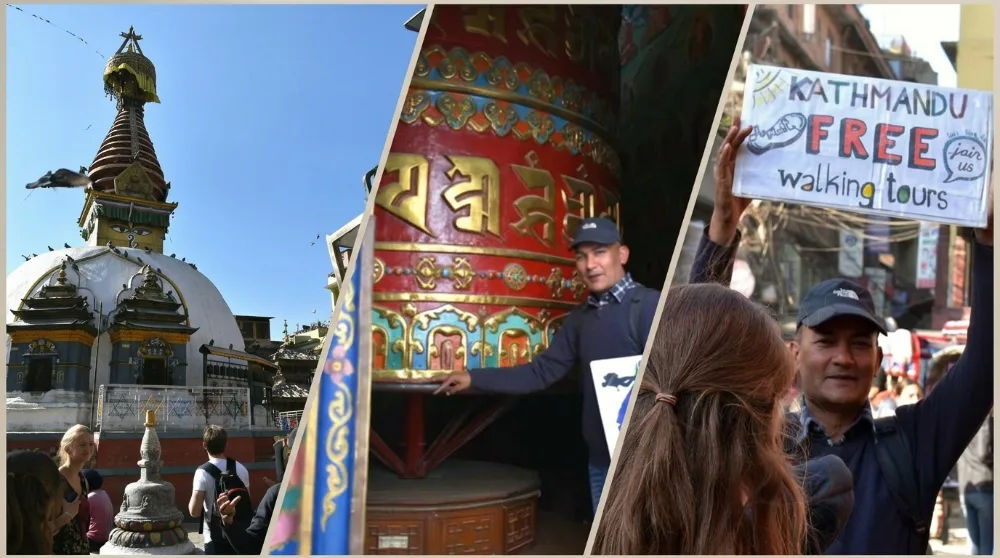
Swayambhunath (Monkey Temple)
Swayambhunath sits on a hilltop west of the city, reached by 365 stone steps. The view over the valley is worth the climb, especially just after sunrise. The monkeys are real and they will snatch things, so keep phones and snacks secured. Locals may offer to take photos for you; some will then demand payment afterward.
Boudhanath Stupa
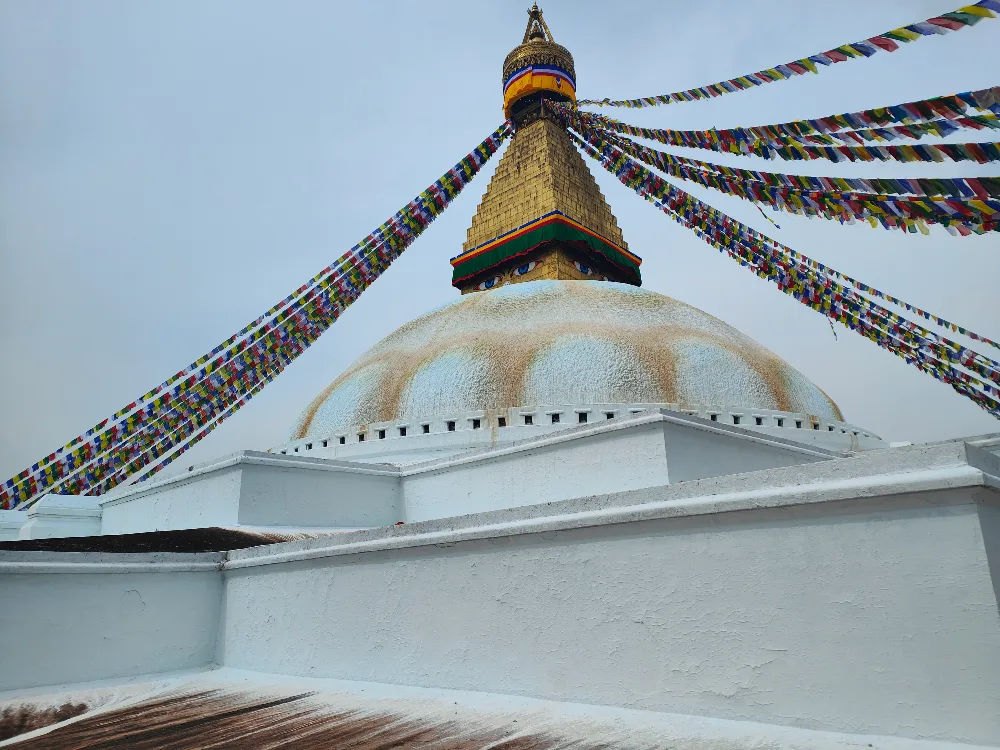
Boudhanath Stupa is one of the largest Buddhist stupas in the world and the spiritual heart of Kathmandu's Tibetan community. Walking the kora (the ritual circumambulation) at dusk, alongside monks and families spinning prayer wheels, is one of the city's most peaceful experiences. The surrounding streets, however, are dusty, so a mask isn't a bad idea.
Pashupatinath Temple
Pashupatinath Temple is Nepal's holiest Hindu site, with open-air cremation ceremonies on the Bagmati River. It's powerful and raw, but it's also a psychological shock. The smell is intense, and you need to be mentally prepared. Street touts may offer to lead you through "shortcuts" for a fee, so decline and stick to official entrances.
Kathmandu Durbar Square
Kathmandu Durbar Square is the historic royal heart of the old city. If you're lucky, you might glimpse the Kumari (the Living Goddess) at a window of her residence, but photography is forbidden. Unofficial "guides" operate here without quoting prices upfront, so clarify costs before accepting any service.
The Air You Breathe
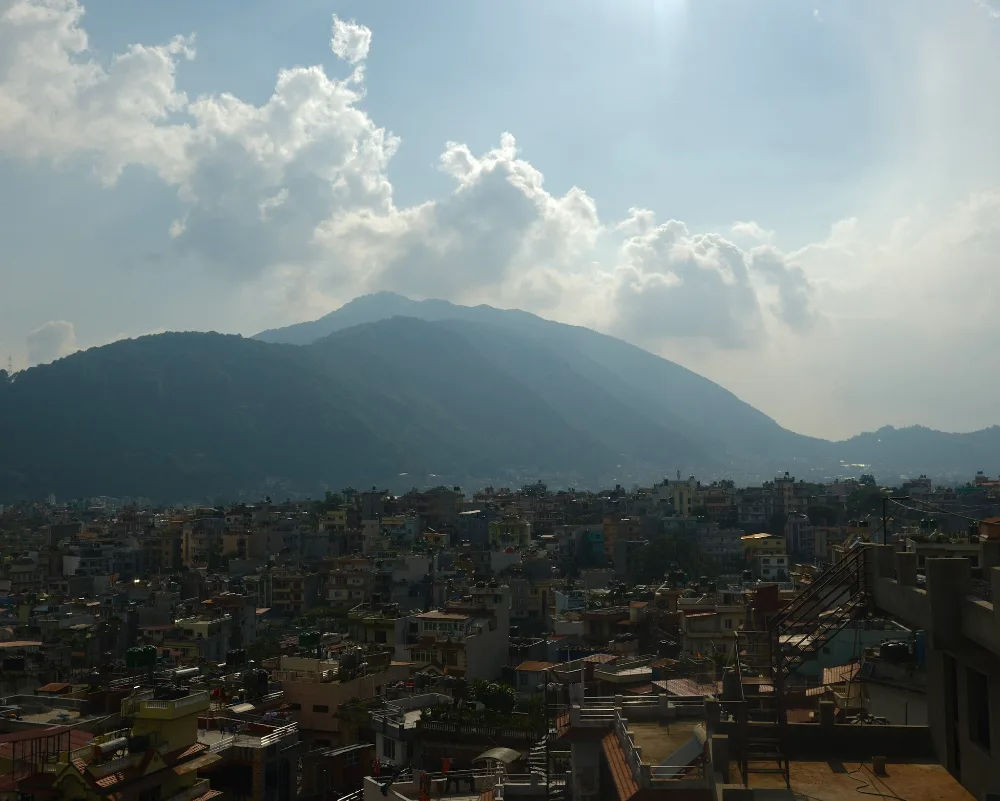
This is the part most travel blogs soften. Kathmandu's air pollution is severe, and it's not seasonal. Research from the Kathmandu Valley shows that PM2.5 concentrations exceeded the WHO annual guideline by more than nine times over a full year of monitoring. Winter months are particularly bad, with mean PM2.5 levels around 50 µg/m³, still within the WHO's "unhealthy" threshold.
What this means practically: bring masks. You'll see locals wearing them, and you'll understand why after a day of walking through traffic. If you have respiratory issues, plan accordingly. The dust isn't just an inconvenience, it's a genuine health consideration.
What to Eat (And What to Be Careful With)
Nepal's national dish, dal bhat (lentil soup with rice), comes with unlimited refills and is the fuel that powers the country. Momos, Nepali dumplings with buffalo or vegetable filling, dipped in spicy tomato sauce, are cheap, delicious, and everywhere. Thamel has plenty of options, but food hygiene varies. Stick to busy places with high turnover, and be cautious with raw vegetables and tap water.
The Honest Downsides
Kathmandu is not a comfortable city, and pretending otherwise does first-timers no favors.
Expect to be tested
The dust is relentless. The traffic is a constant roar. The touts are persistent, and the scams are real, from fake monks demanding payment for a tika to taxi drivers quoting absurd fares. You will probably get ripped off at least once. It happens to almost everyone.
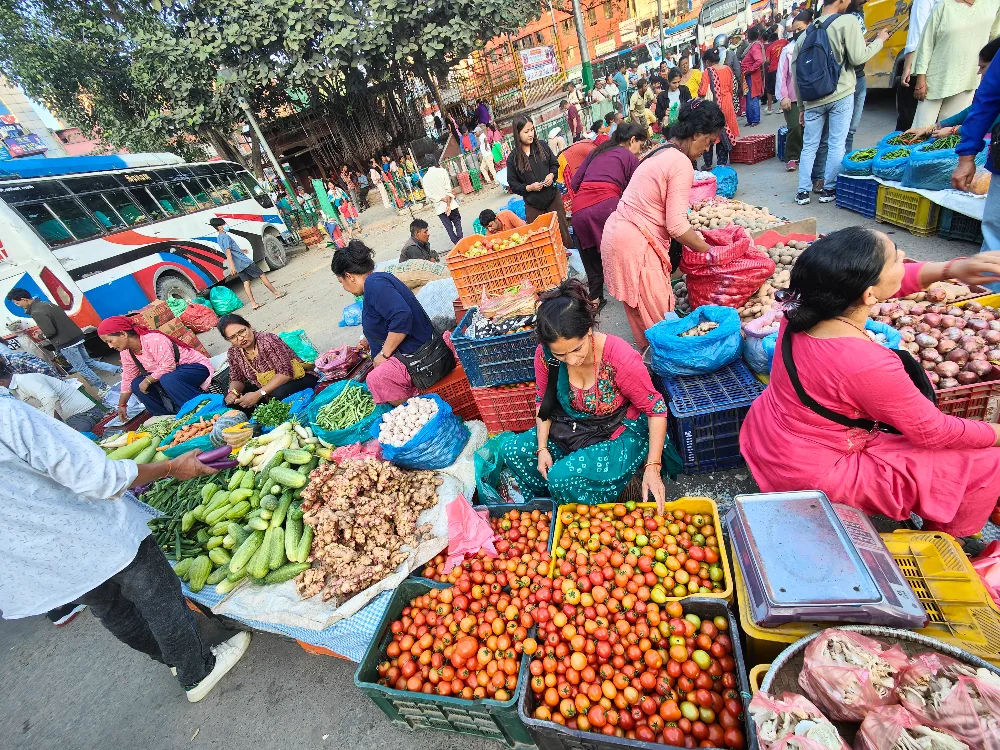
But here's what the cynical travel posts miss: the same city that exhausts you is also the one you'll remember. The old woman selling vegetables at the market, weighing pumpkins on a handmade scale. The smell of incense at dawn near a neighborhood shrine. The way Boudhanath glows with butter lamps as the sun sets. Kathmandu doesn't try to be likable. It just is what it is, and somehow, that's enough.
Practical First-Timer Tips
Stay in Thamel or nearby: It's chaotic, but it's convenient and you'll meet other travelers.
Carry small bills: Many places won't have change for large notes, and having exact change makes transactions smoother.
Agree on prices before any service: Taxis, guides, photos, "help" with bags, all of it. If there's no stated price, ask.
Bring a mask: For dust and pollution, especially if you're visiting during winter or pre-monsoon months.
Don't try to see everything: Kathmandu has more temples than you can count. Pick two or three sites, slow down, and let the city reveal itself.
Learn to say "no" politely but firmly: Touts will persist if you engage. A simple "no thank you" and continued walking works better than explanation.
The Bottom Line
Kathmandu won't make you fall in love at first sight. It'll make you tired, dusty, and maybe a little poorer than you planned. But it's also a city that demands a second look, and rewards the travelers who give it one. Arrive with honest expectations, keep your wits about you, and let the chaos settle into something you didn't expect: affection.
Planning your first trip to Nepal? If you're figuring out how many days to spend in Kathmandu before or after a trek, or want honest advice about what to expect on the ground, Himkala Adventure can talk it through with you. They'll tell you what the city is actually like, not just what the brochures say.
Reach out to ask about itineraries, acclimatization schedules, and practical first-timer logistics.
Last updated: November 2026. Contact details and prices can change, so confirm current information directly with Himkala Adventure before booking.