A group trek means you join a fixed departure. The operator has already set the dates, the route, and the group size. You sign up, pay, and join the group on day one. Everyone moves together, eats together, sleeps in the same teahouses, and follows the same schedule. Group size varies by company, anywhere from 6 to 20 people.
A private trek means the whole trip is built around you. You choose the dates, the route, the pace, the rest days, the side trips. You get your own guide and, if you want one, your own porter. There's no group to wait for or keep up with. You're the only client.
Most travelers think the difference is price. It's not. The real difference is who you travel with and how much control you have over the two weeks that might be the highlight of your year.
What a Group Trek Actually Looks Like
The group trek is the classic Nepal experience. It's what most people picture when they book their first Himalayan trek. And there's a reason it's popular.
You wake up each morning to a fixed schedule. Breakfast at 7, on the trail by 7:30, lunch at a village the guide knows well, in the teahouse by 4. Dinner is at the same table with the same faces. You share stories from home, complain about the altitude together, celebrate reaching the pass together. For some travelers, this is exactly what they wanted: a shared experience with people from around the world, moving through the mountains as a small moving community.
The upside is real. You meet people you wouldn't otherwise meet. The cost per person is lower because everything is split. And you don't have to plan a thing, the itinerary is already set, so all you have to do is show up and walk.
The downside is also real. The pace is set by the slowest person in the group. If someone gets sick, the group adjusts. If you want to stop for twenty minutes to photograph a village, you might be holding everyone up. If you're the fastest walker, you spend a lot of time waiting. If you're the slowest, you spend a lot of time feeling rushed.
Group treks also run on fixed dates. If the dates don't fit your travel window, you either have to change your flights or pick another trek. And the people you're with might be a beautiful match or a total mismatch. That's the risk you accept.
What a Private Trek Actually Looks Like
A private trek is the same mountains, walked differently.
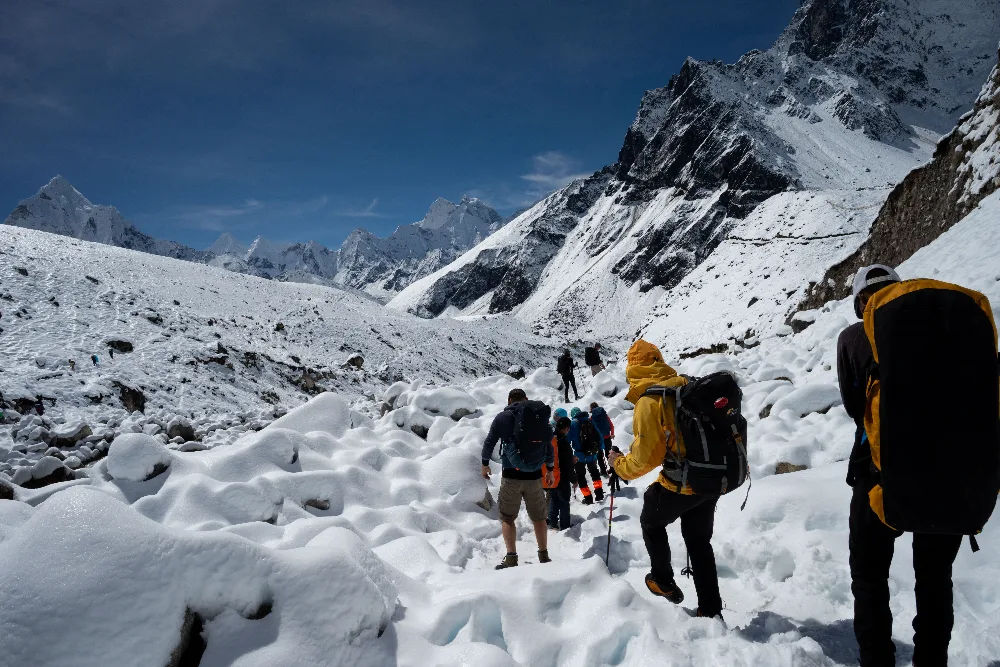
You wake up when you want. You tell your guide what time you'd like to start, and he adjusts the plan. If you're feeling strong, you add a side trip to a viewpoint or a monastery. If you're feeling tired, you take an easy day. If you want to stop in a village for two hours and just sit with a family drinking tea, you do.
The schedule is yours. The route is yours. The pace is yours.
This is the part most travelers underestimate. On a trek, the difference between a good day and a hard day is often whether you had to keep up with someone else. On a private trek, you don't. You walk at the speed your body actually wants to walk. You breathe. You look around. You notice things.
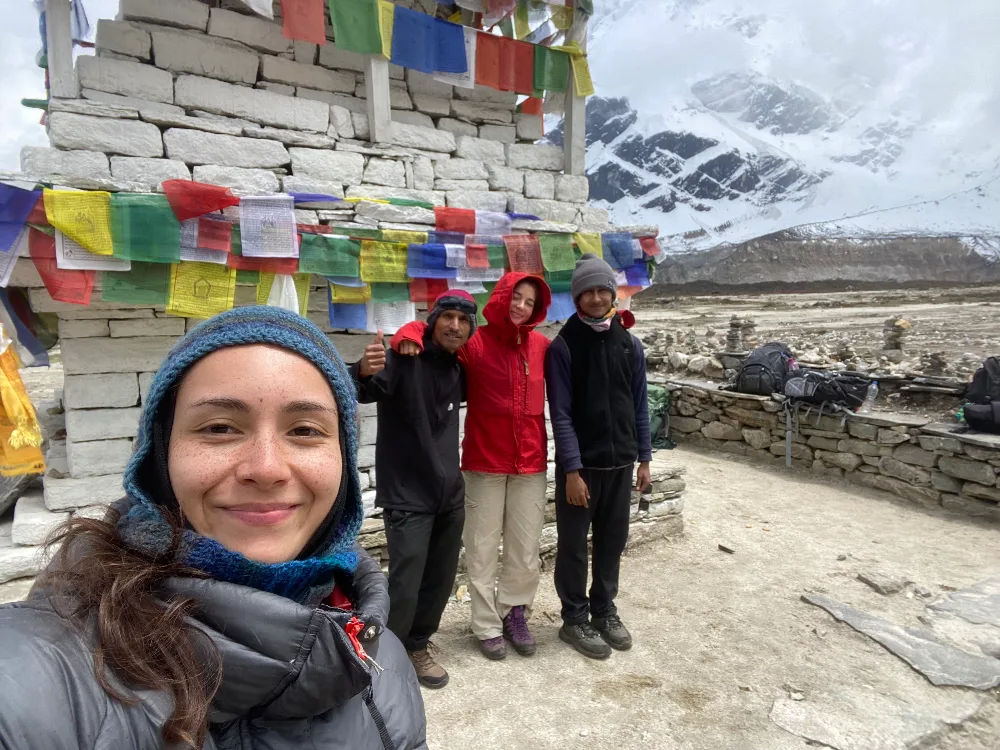
And because you're not part of a moving group of ten or twenty, you interact differently with the places you pass through. Your guide has time to actually talk to you. You sit with local families. You stay longer in the villages where you feel welcomed. You eat where you want. You learn the names of the people who serve your tea.
That kind of connection is what makes a trek stay with you. Not the summit. Not the photo. The people.
Cost: The Real Numbers
Here's the honest truth: private treks are not as much more expensive as most people assume.
Take the Everest Base Camp trek. A group trek might run $1,300 per person for a fixed 14-day departure. A private version of the same route might be $1,500 to $1,800 per person, depending on season, itinerary, and how many people are in your private party.
The gap looks small because of how trekking costs actually break down. The biggest fixed costs, permits, flights to Lukla, guide salaries, insurance, don't change much between a group and private trek. What changes is whether those costs are split across 10 people or just you. That's why the price difference is usually 15 to 30 percent, not double.
For a 14-day EBC trek, that gap is roughly the cost of a couple of nights in a Kathmandu hotel. Most travelers who've done both say it's the best money they spent on the trip.
A group trek is cheaper. A private trek is better value for what you actually want.
Pace, Flexibility, and Freedom
The pace question is what separates private treks from group treks more than anything else.
On a group trek, you're always adjusting to someone else. If the group is fast, you push harder than you should at altitude. If the group is slow, you spend hours waiting. Neither is wrong, but both are compromises. And altitude sickness is a real thing, pushing too hard to keep up with a faster group is how people end up evacuated.
On a private trek, the pace is yours. If you feel the altitude on day three, you take a rest day. If you're feeling strong on day five, you go further. Your guide reads how you're doing and adjusts in real time. This isn't just about comfort, it's about safety.
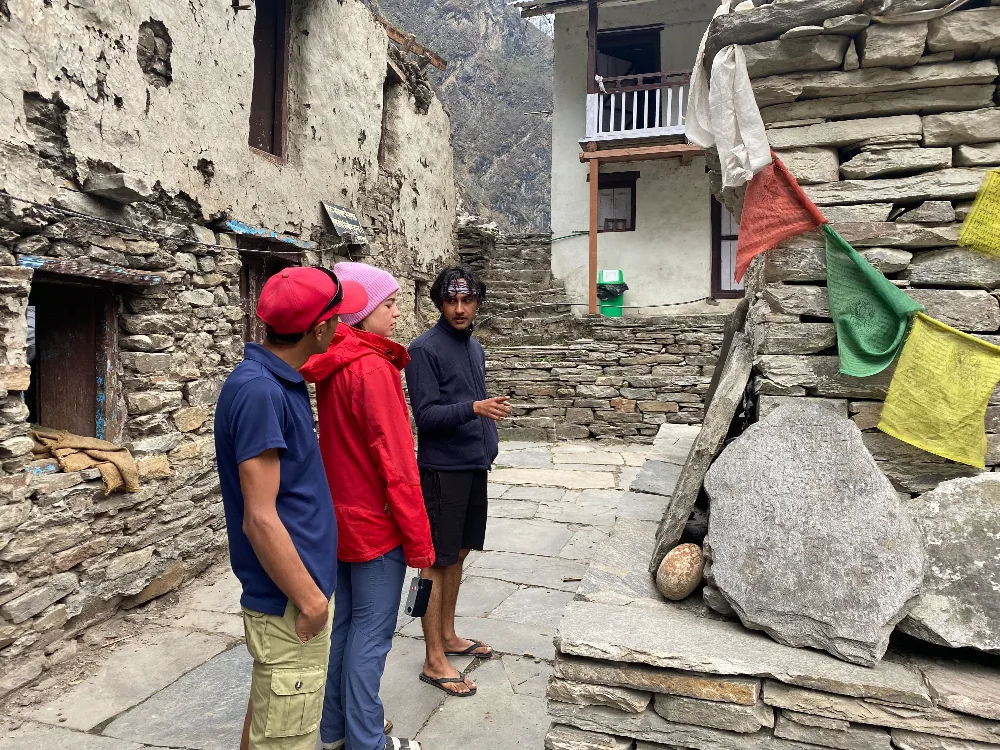
The same applies to the route. On a group trek, you follow the itinerary exactly as listed, because ten other people are expecting it. On a private trek, your guide can adjust: add a side trip to a hidden viewpoint, skip a crowded village, take a different path. Nepal is full of detours that aren't in any itinerary. On a private trek, you actually get to take them.
Who You Meet
This is the part that surprises most first-time trekkers.
On a group trek, you meet other travelers. That's the main social dynamic. You bond with the people in your group, you swap stories from home, you might stay in touch for years afterward. It's a real and beautiful thing.
On a private trek, you meet Nepalis.
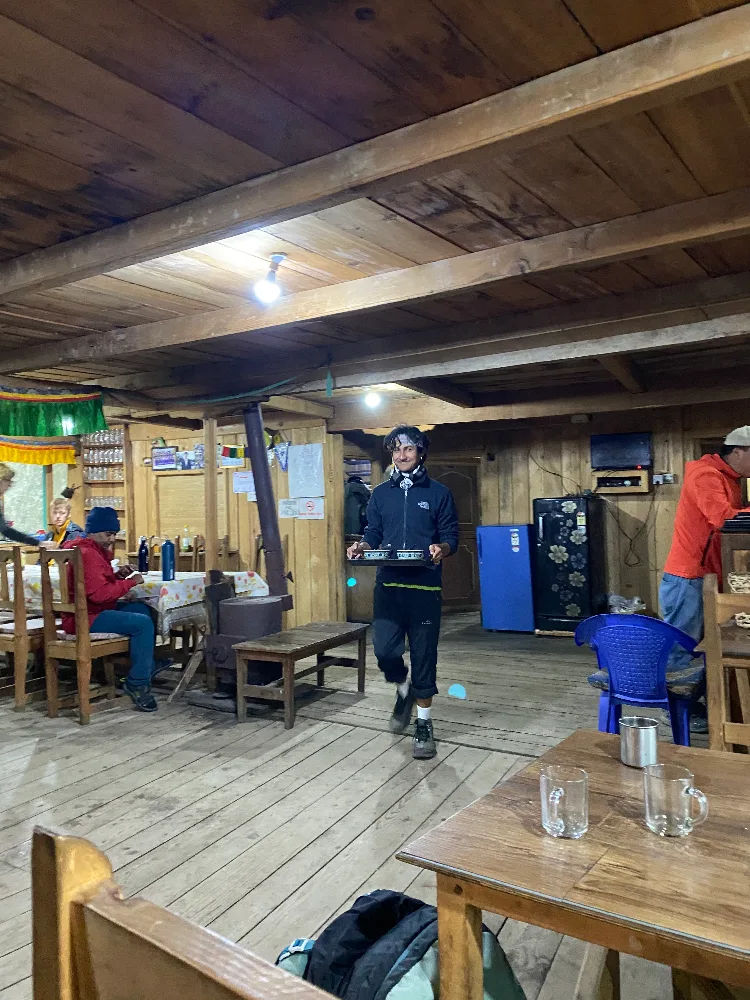
Without a group of foreigners around you, you end up spending more time with the people who actually live in the mountains. Your guide, obviously. But also the teahouse owners, the porters, the children walking to school, the grandmothers sitting on the porch. You have time to sit and talk. You learn where they're from, what their lives are like, what they think of the trekking industry, what they hope for their kids.
That's the difference we care about most at Himkala Adventure. And it's the reason we built our company around private treks rather than fixed group departures. The bond with local families and communities is what makes a Himalayan trek feel like more than just a long hike. It's harder to have that bond when you're moving through villages as a group of fifteen.
Safety on the Trail
Both trek types are safe if run well. But there are real differences.
On a group trek, the guide is responsible for many people. If someone in the group gets altitude sickness, the guide has to balance caring for that person with keeping the rest of the group moving. It's a hard job and most guides do it well. But by design, you get less individual attention.
On a private trek, you're the only person your guide is thinking about. He notices when you're breathing harder than usual. He notices when you skip lunch. He notices when you're quiet. He can act on it early. That early attention is often the difference between a minor headache and a full evacuation.
Every reputable operator, group or private, should have evacuation insurance, satellite phones or reliable mobile coverage, and clear protocols. Ask about these before booking, no matter which type you choose.
What We Offer at Himkala Adventure
Here's where we're honest about how we run things.
Most of what we do is private treks. That's our preference. It's what we've built our company around, and it's what we recommend for most travelers. Private treks let us give you the kind of attention and connection that made us fall in love with guiding in the first place.
But we also run group treks. We don't want to be exclusive about it. Some travelers genuinely want the group experience, or are looking to keep costs lower, or simply prefer walking with other people. We're happy to arrange that.
The difference is that our groups stay small. For longer treks, Everest Base Camp, Annapurna Circuit, Manaslu Circuit, our group size is capped at 6 to 8 people. For shorter treks and day hikes, we cap it at 10 to 12. Never more.
Why? Because at 6 to 8 people, a group still feels like a group. People bond. You learn everyone's name. The guide still has time for each person. The pace stays flexible. At 20 or 30 people, none of that is true anymore, it becomes a logistical operation, not a shared experience.
If you book a group trek with us, you'll still feel like you're on a real trek, not on a bus with legs.
Frequently Asked Questions
Is a private trek worth the extra money?
For most travelers, yes. The price gap is smaller than people expect, and the difference in experience, pace, flexibility, personal attention, connection with locals, is significant. If the extra cost is meaningful to your budget, a group trek is still a great way to see the mountains. If you can stretch, private is worth it.
How small are your group treks?
6 to 8 people maximum for longer treks (Everest Base Camp, Annapurna Circuit, Manaslu Circuit, Langtang, and similar). 10 to 12 maximum for shorter treks and day hikes. Never more.
Can I join a group trek as a solo traveler?
Yes. Many of our group treks have solo travelers in them. You'll share a room with another solo traveler of the same gender, or pay a small single supplement for your own room if you prefer.
Can I switch from a group trek to a private trek later?
Usually yes, as long as there's availability. Talk to us before your trek starts and we'll work it out.
What if I want to bring friends or family?
That's the ideal private trek. Two to six people who already know each other, on their own dates, at their own pace. It's our favorite kind of booking.
Do private treks cost much more than group treks?
Typically 15 to 30 percent more per person. Not double. The fixed costs (permits, flights, guide salaries, insurance) don't change much, so the difference is smaller than most travelers assume.
Which is better for altitude safety?
Private treks give you more individual attention from your guide, which generally means altitude issues get noticed earlier. But well-run group treks are also safe. The important factor is the operator, not the format.
Can we customize the itinerary on a private trek?
Yes, that's the whole point. Rest days, side trips, route changes, pace adjustments, all of it is flexible. Tell us what you want before you book, and your guide can adjust on the trail as well.
Ready to Plan Your Trek?
Whether you want a private trek built entirely around you, or a small group trek with a handful of like-minded travelers, we can arrange it. Both options run all year, on the routes we know best: Everest Base Camp, Annapurna Circuit, Annapurna Base Camp, Manaslu Circuit, Langtang, Muldai, Khopra Ridge, and more.
If you're not sure which format suits you, message us and we'll talk it through honestly. Sometimes a private trek is the right call. Sometimes a small group trek is exactly what you need. We'd rather help you pick the right one than sell you the more expensive one.
Get in touch on WhatsApp or email to check dates, prices, and availability. We'll reply personally, usually within a few hours.
Prices and availability are subject to change. Always confirm current details before booking.