Solo trekking in Nepal has always been on the bucket list for independent travelers. And in 2026, it's finally back on the table legally and safely.
After a brief period of mandatory guide requirements, Nepal has lifted the blanket restriction. Solo trekkers are now welcome on most popular routes, provided they follow the updated guidelines and obtain the correct permits.
Whether you're dreaming of the Everest Base Camp, the Annapurna Circuit, or the quiet trails of Langtang and Manaslu, this guide covers everything you need to know from the new 2026 rules to safety tips, costs, and packing essentials.
Good News for 2026: Solo trekkers can now trek independently on most routes, including Everest Base Camp, Annapurna Circuit, Langtang Valley, and Manaslu Circuit. No guide is required by law for these routes as of March 2026.
What Changed in 2026?
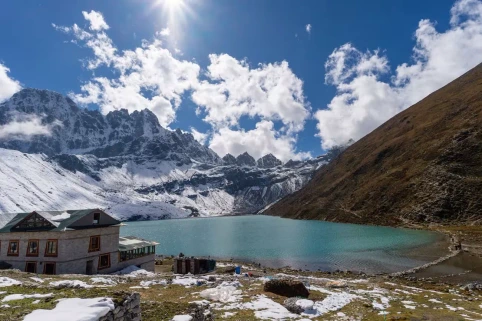
In early 2026, the Nepal Tourism Board and the Department of Tourism made a significant policy shift. The mandatory guide requirement introduced during the pandemic was lifted for most popular trekking routes.
This means you can now trek independently again. But there are new requirements you need to know:
- TIMS Card is Still Required: The Trekkers' Information Management System (TIMS) card is still mandatory for all trekkers.
- National Park Permits: You still need permits for each national park (Sagarmatha, Annapurna, Langtang, Manaslu).
- Restricted Areas: Treks in restricted areas like Upper Mustang, Nar Phu, and Manaslu still require a licensed guide and special permits.
- Insurance: Travel insurance covering helicopter evacuation up to 6,000m is now mandatory (and always recommended).
- Check-in System: You must register your trekking route and check in at checkpoints along the way.
Best Treks for Solo Travelers
Not all treks are equally suited for solo travelers. Here are the best options for 2026, based on safety, infrastructure, ease of navigation, and solo-friendly teahouses.
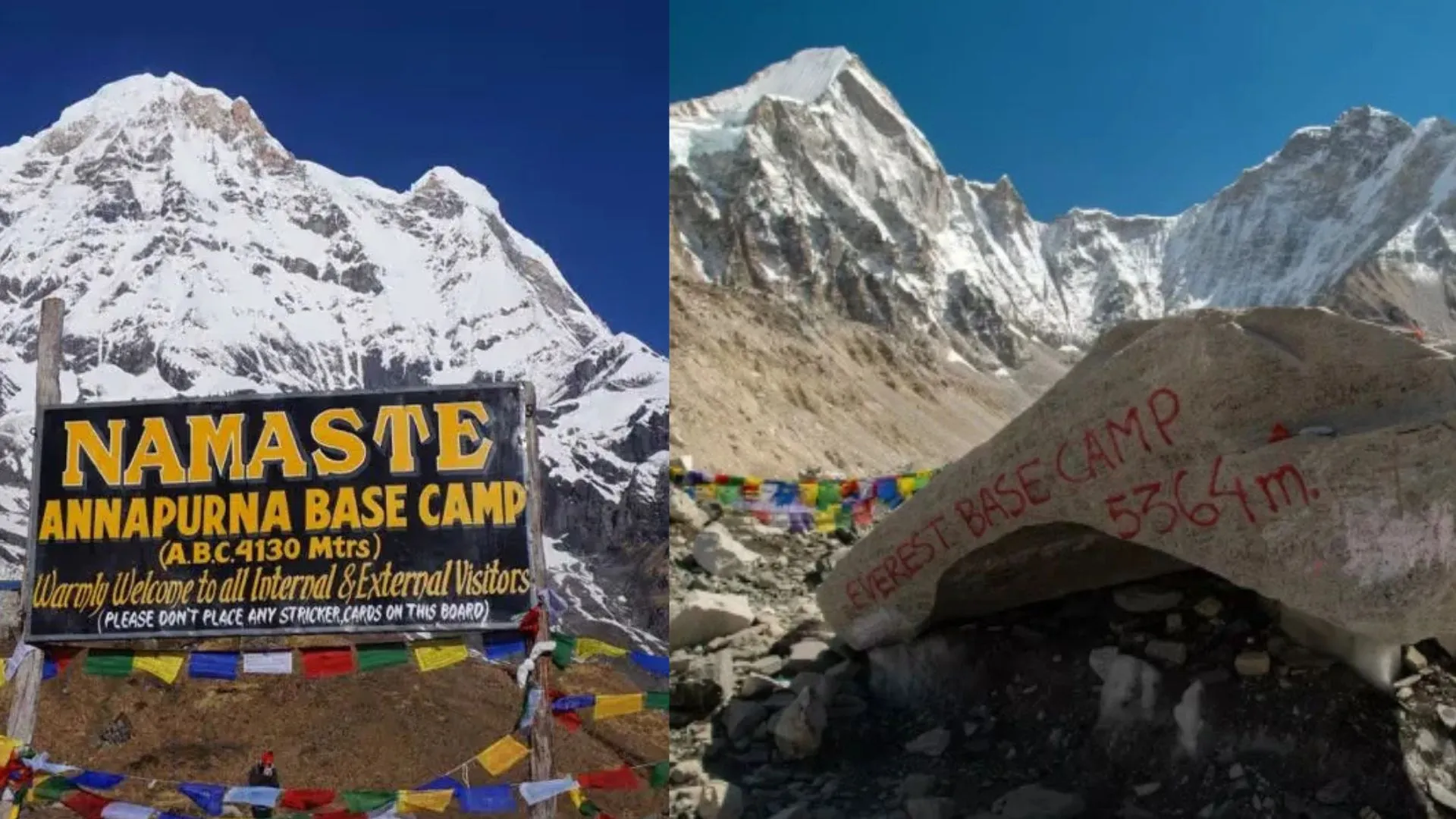
Everest Base Camp
The classic. Well-established teahouse network, clearly marked trails, and plenty of fellow trekkers. Perfect for solo travelers who want a social experience.
Annapurna Circuit
Diverse landscapes, rich culture, and iconic Thorong La Pass. Excellent teahouses and a well-worn path make this a classic solo trek.
Langtang Valley
Close to Kathmandu, less crowded, and incredibly scenic. Langtang is perfect for solo trekkers who want a quieter, more intimate experience.
Ghorepani Poon Hill
The perfect short trek for first-time solo trekkers. Stunning sunrise views over Annapurna and Dhaulagiri. Easy terrain and excellent teahouses.
Manaslu Circuit
Remote, pristine, and culturally rich. Manaslu offers an off-the-beaten-path experience. Note: A licensed guide is required for Manaslu.
Essential Safety Tips for Solo Trekkers
Solo trekking is rewarding but requires extra preparation. Here's how to stay safe:
1. Acclimatize Properly
Acute Mountain Sickness (AMS) is real. Don't rush. Follow the golden rule: climb high, sleep low. Plan rest days into your itinerary.
2. Register Your Trek
Register your route with the TIMS office and check in at checkpoints. Let someone know your itinerary and expected return date.
3. Emergency Communication
Carry a local SIM card with data. Emergency helicopter evacuation is available but expensive. Make sure your insurance covers it.
4. Trek in Peak Seasons
Trekking in March-May or October-November means more fellow trekkers on the trail. This is safer for solo travelers.
Permits & Costs for Solo Trekkers
Here's what you'll need to budget for permits and logistics:
| Item | Cost (NPR) | Cost (USD) |
|---|---|---|
| TIMS Card | NPR 1,000-2,000 | $10-20 |
| Sagarmatha National Park Permit | NPR 3,000 | $23 |
| Annapurna Conservation Area Permit | NPR 3,000 | $23 |
| Langtang National Park Permit | NPR 3,000 | $23 |
| Manaslu Restricted Area Permit | NPR 7,000+ | $50+ |
| Lukla Flight (Round Trip) | NPR 40,000-55,000 | $300-400 |
| Travel Insurance (11 days) | NPR 6,500-10,500 | $50-80 |
Total Solo Trek Cost: A 10-day solo trek in Nepal costs approximately $800-1,500 including permits, transport, accommodation, food, and incidentals. Treks with guides cost more but include more services and peace of mind.
Packing for Solo Trekking
Essential Gear
- Trekking boots (broken in)
- Down jacket & fleece
- Waterproof jacket & pants
- Trekking pants (2 pairs)
- Base layers (thermal)
- Sleeping bag (-10°C rating)
Solo Essentials
- Local SIM card (Ncell or NTC)
- Power bank (20,000mAh+)
- Water purification tablets
- First aid kit (with altitude meds)
- Head torch (with spare batteries)
- Trekking poles (recommended)
Frequently Asked Questions
Is solo trekking in Nepal legal in 2026?
Yes. The mandatory guide requirement was lifted in March 2026. Solo trekkers can trek independently on most routes, including Everest Base Camp, Annapurna Circuit, Langtang Valley, and others. Restricted areas like Upper Mustang, Nar Phu, and Manaslu still require a licensed guide.
What permits do I need for solo trekking?
You need a TIMS card and national park permits specific to the region (Sagarmatha National Park for EBC, Annapurna Conservation Area for ACAP, Langtang National Park, etc.). For restricted areas like Manaslu, you need special permits.
Is it safe to trek solo in Nepal?
Yes, with proper preparation. Stick to popular routes, register your trek, carry a local SIM card, and check in at checkpoints. Trekking in peak seasons (March-May, October-November) means more fellow trekkers on the trail, which is safer.
How much does a solo trek cost in Nepal?
A 10-day solo trek costs approximately $800-1,500 including permits, transport, accommodation, food, and incidentals. Add $300-400 for Lukla flights if trekking to Everest Base Camp.
Do I need a guide for solo trekking?
No, it's not legally required on most routes. However, hiring a guide can enhance your experience, improve safety, and provide cultural insights. Himkala Adventure offers optional guides for solo trekkers who want extra support.