Yes, and the data and traveler experience back this up consistently. Violent crime against tourists in Nepal is rare, and Nepali culture places a genuinely high value on hospitality toward guests. The trekking community itself is tight-knit: teahouses are family-run, other trekkers look out for each other on the trail, and lodge owners frequently check in on solo female guests without being asked. Most experienced solo female travelers rate their time in Nepal highly, and many say the mountains felt safer than they expected.
That said, "safe" doesn't mean "nothing to think about." The more common issues solo women report aren't physical danger, they're things like unwanted staring, persistent unofficial "guides" offering services, or the occasional overly forward comment. Knowing this in advance makes it much easier to recognize and brush off, rather than being caught off guard by it.
The Guide Requirement, and Why It Actually Helps
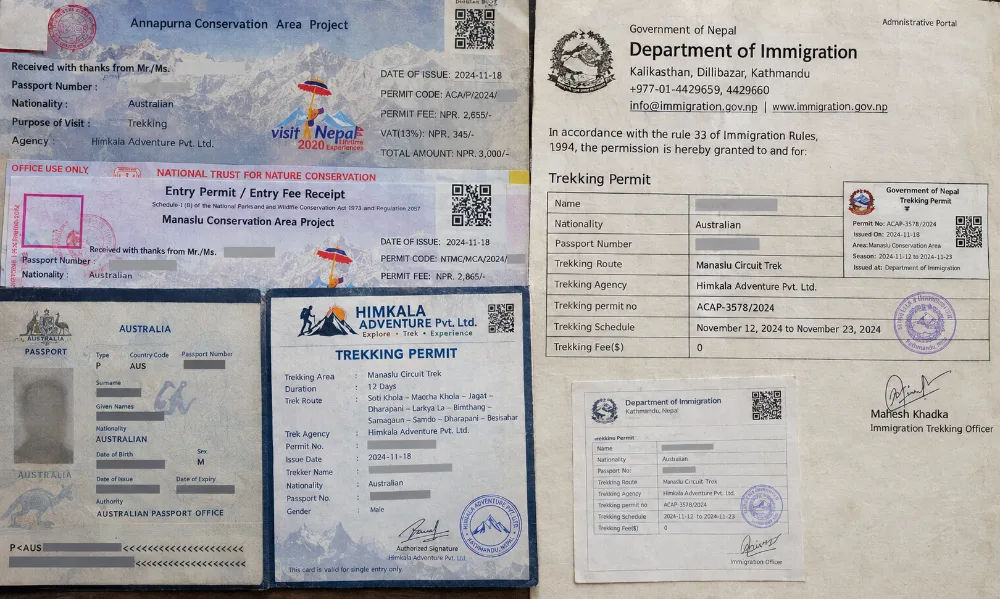
Here's something worth knowing before you plan: independent, guideless trekking is now restricted on most major routes in Nepal, including TIMS-card routes and national parks like Annapurna and Langtang, and it's a legal requirement, not optional, in restricted areas like Manaslu and Nar Phu Valley. For solo female trekkers specifically, this rule tends to work in your favor rather than against you. A licensed guide handles navigation, permit checkpoints, altitude pacing, and emergency response, and many agencies, including ours, can arrange an experienced female guide if that's what you'd prefer.
A 2026 update worth knowing: as of March 2026, solo trekkers can now hold a Restricted Area Permit individually, the old requirement for a minimum of two trekkers has been removed. A guide is still mandatory either way, but this change specifically opened up solo trekking in areas like Manaslu and Nar Phu Valley that were previously harder to access alone.
Best Routes for Solo Female Trekkers
Not all routes carry the same level of built-in safety net. The most reassuring routes for solo women are the well-trafficked, established teahouse routes, places like Everest Base Camp, the Annapurna Circuit, Annapurna Base Camp, Langtang Valley, and Poon Hill, where other trekkers are rarely more than an hour away, teahouses are frequent, and the trail is well marked. More remote routes like Upper Dolpo or Kanchenjunga are not unsafe exactly, but rescue and help take longer to reach if something goes wrong, which matters more when trekking solo.
Restricted areas like Manaslu and Nar Phu Valley sit in between: genuinely remote, but you'll always have a licensed guide with you by law, which changes the calculation considerably compared to an unguided remote trek.
What to Wear: Cultural Sensitivity on the Trail
Nepal is a culturally conservative country outside the trail itself, and dressing with that in mind goes a long way, both for your own comfort and for how you're received in villages. On the trail, standard trekking gear is completely normal. In teahouses and villages, it's worth changing into long trekking pants and a looser top rather than staying in trail-only layers like sports bras or tight leggings as outerwear. At monasteries and temples, covering shoulders and knees is expected, and it's a small gesture that's consistently well received.
Practical Safety Tips
A few practical safety habits go a long way for solo female trekkers in Nepal:
Share your itinerary. Leave a copy with family at home and with your trekking agency, and check in by phone every few days where signal allows.
Choose accommodation thoughtfully. Family-run teahouses, rather than the cheapest available bed, tend to offer better security, working locks, and genuinely attentive hosts.
Carry a local SIM with data. Regular check-ins with home matter for peace of mind, and offline GPS maps are useful even where signal drops out.
Trust your instincts over politeness. It's completely fine to be firm, decline persistent offers of help, or walk away from a conversation that feels off.
Get proper travel insurance. For high-altitude trekking, make sure your policy explicitly covers high-altitude rescue and evacuation, not just general travel mishaps.
Pace your acclimatization. Above 3,000 meters, keeping your net sleeping altitude gain to roughly 300-500 meters per day, with dedicated rest days at key altitude points, reduces altitude sickness risk for every trekker, solo or not. A good guide will manage this pacing for you.
Packing Notes Specific to Women Trekkers
A few practical additions worth packing beyond the standard trekking list: a well-fitted sports bra designed for multi-day hiking (regular bras don't hold up well over long trekking days), period products if needed, since availability thins out considerably once you're off the main trail past larger towns, and boots that are properly broken in well before your trek, blisters from new boots are one of the most common, and most avoidable, problems for first-time trekkers.
What to Do If You Feel Uncomfortable
If a situation on the trail or in a teahouse feels wrong, trust that instinct immediately. Move toward other trekkers or teahouse staff, and lean on your guide, this is exactly the kind of situation a licensed guide is there to help navigate. If you're trekking with an agency, they should be reachable and responsive if you need support mid-trek, not just during booking.
Frequently Asked Questions
Is it safe for a woman to trek alone in Nepal?
Generally yes, with basic precautions. Violent crime against tourists is rare, and Nepal's trekking community is close-knit and generally looking out for one another. The more common issues are minor, unwanted attention rather than physical danger.
Do solo female trekkers need a guide in Nepal?
On most major routes and all restricted areas, yes, this is now a legal requirement, not a suggestion. It also tends to genuinely improve safety and trip quality, not just satisfy paperwork.
Can I request a female guide?
Yes, many agencies, including ours, can arrange an experienced female guide on request. Some solo women prefer this for comfort and cultural ease, particularly in teahouses and villages.
What should I pack that's specific to women trekkers?
A properly fitted sports bra for multi-day wear, period products (availability drops off past the main towns), and well broken-in boots are the most commonly overlooked items.
Which trek is best for a first-time solo female trekker?
Well-established teahouse routes like Everest Base Camp, Annapurna Base Camp, Annapurna Circuit, Langtang Valley, or Poon Hill are the most reassuring starting points, frequent teahouses, other trekkers, and clear trails throughout.
Can solo women now trek restricted areas like Manaslu or Nar Phu Valley?
Yes. As of the March 2026 rule change, solo trekkers can hold a Restricted Area Permit individually. A licensed guide is still required, which many solo women find adds real reassurance in these more remote regions.
Trek Nepal with a Guide You Can Trust
At Himkala Adventure, we've guided solo female trekkers across Nepal's trails and restricted areas alike, and we're always happy to arrange an experienced female guide on request. Whether you're planning your first solo trek on an established route or heading into a restricted area like Manaslu or Nar Phu Valley, get in touch and we'll help you plan a trip that's built around feeling genuinely prepared, not just permitted.