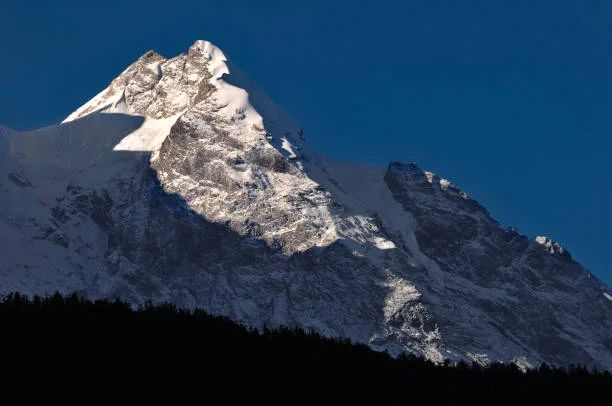
Tsum Valley is a restricted-area side valley tucked into the northern edge of the Manaslu region, pressed against the Tibetan border. It's known in Tibetan Buddhist tradition as Beyul Kyimolung, a sacred hidden valley blessed by Guru Rinpoche where killing living creatures has been forbidden by local vow since the 1920s.
The valley opened to foreign trekkers in 2008. Before that, it was closed to outsiders for centuries. The Tsumba people, ethnically and culturally Tibetan, still speak their own dialect and follow a form of Buddhism that has remained largely untouched by the modern trekking circuit.
Roughly 600 to 800 trekkers visit Tsum Valley each year. The main Manaslu Circuit sees over 8,000. That gap is exactly why the valley still feels the way it does.
The Connectivity Reality: What 6 to 8 Days Without Signal Actually Means
Here's the honest breakdown, and why Tsum Valley is different from every other "no signal" trek in Nepal.
On Manaslu, the dead zone has an exit
Signal fades above Shyala. You're offline for 3 to 4 days. But Samagaon is a functional base. There's a health post. Helicopter landing capability. Enough infrastructure to organize an evacuation if someone gets seriously ill.
On Annapurna, the dead zone is short
Above Yak Kharka, signal gets unreliable. But Manang is a major village with WiFi, charging, and a clinic. Jomsom, after Thorong La, has an airport and reliable signal. The true dead zone is 2 to 3 days around the pass.
On Tsum Valley, there is no Samagaon. No Manang. No exit.
Signal disappears around Chhokangparo (3,030m). It doesn't come back until you rejoin the main Manaslu trail, which is 6 to 8 days later if you go deep toward Mu Gompa and the Nepal-Tibet border.
There are no large villages in Tsum with reliable WiFi, health posts, or helicopter infrastructure. Teahouse power comes from solar panels. Cloudy days mean no charging, no communication, nothing.
And here's the part that actually matters: there are no hospitals in the valley. Emergency evacuation relies on helicopter or a 3 to 5 day walk out.
Because Tsum sits close to the China border, helicopter rescue permits can take up to 4 days to process. A local representative called this a "life-threatening issue," noting that rescues that would be swift in the Everest region face deadly delays in Tsum.

Tsum Valley vs Manaslu vs Annapurna: The Honest Comparison
Tsum Valley vs Manaslu vs Annapurna: The Honest Comparison
| Trail | Signal Lost At | Dead Zone | Escape Options | WiFi |
|---|---|---|---|---|
| Tsum Valley | Above Chhokangparo | 6-8 days | None (no health post, limited heli sites) | Rare, solar-dependent |
| Manaslu Circuit | Above Shyala | 3-4 days | Samagaon, Samdo | Yes (slow, expensive) |
| Annapurna Circuit | Above Yak Kharka | 2-3 days | Manang, Jomsom | Yes (patchy) |
The difference isn't whether you have signal. It's what happens when you don't.
Why the Silence Is the Point
Tsum Valley is a beyul, a sacred hidden valley in Tibetan Buddhist tradition. The Tsumba people have preserved their culture precisely because the valley is so hard to reach.
The lack of contact isn't a flaw in the trek. It's the reason the valley still feels like a different world. No WiFi towers. No crowds. No urgency to post about it. Just hand-built mani walls stretching for kilometers, monasteries where the chanting has never stopped, and villages where the pace of life hasn't changed in generations.
You're not visiting a museum. You're walking through a community still living the tradition.
What You'll Actually See (and What You Won't)
You will see:
Mu Gompa (3,700m), the highest and oldest monastery in the valley, home to over 100 monks and sweeping views toward Tibet.
Rachen Gompa, a working nunnery where dozens of anis continue ancient traditions of chanting and meditation.
Milarepa's Piren Phu Cave, where the 11th-century saint is said to have meditated, with his "footprint" still visible in the stone.
Mani walls, chortens, and prayer flags in a landscape that feels genuinely untouched.
You will not see:
WiFi cafes
Reliable phone signal
ATMs
Crowds

Planning Notes: What You Need Before You Go
Permits and Cost
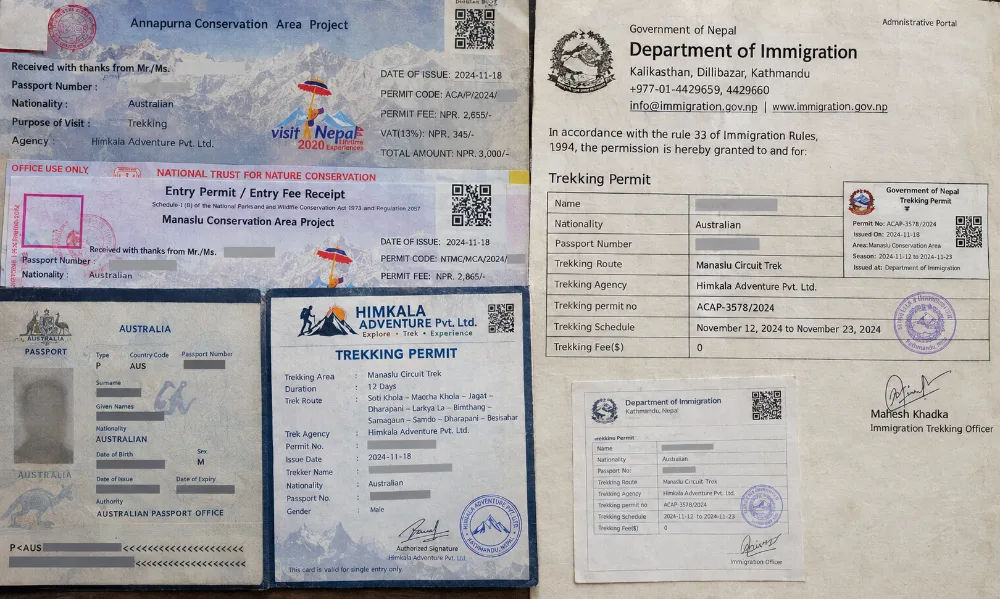
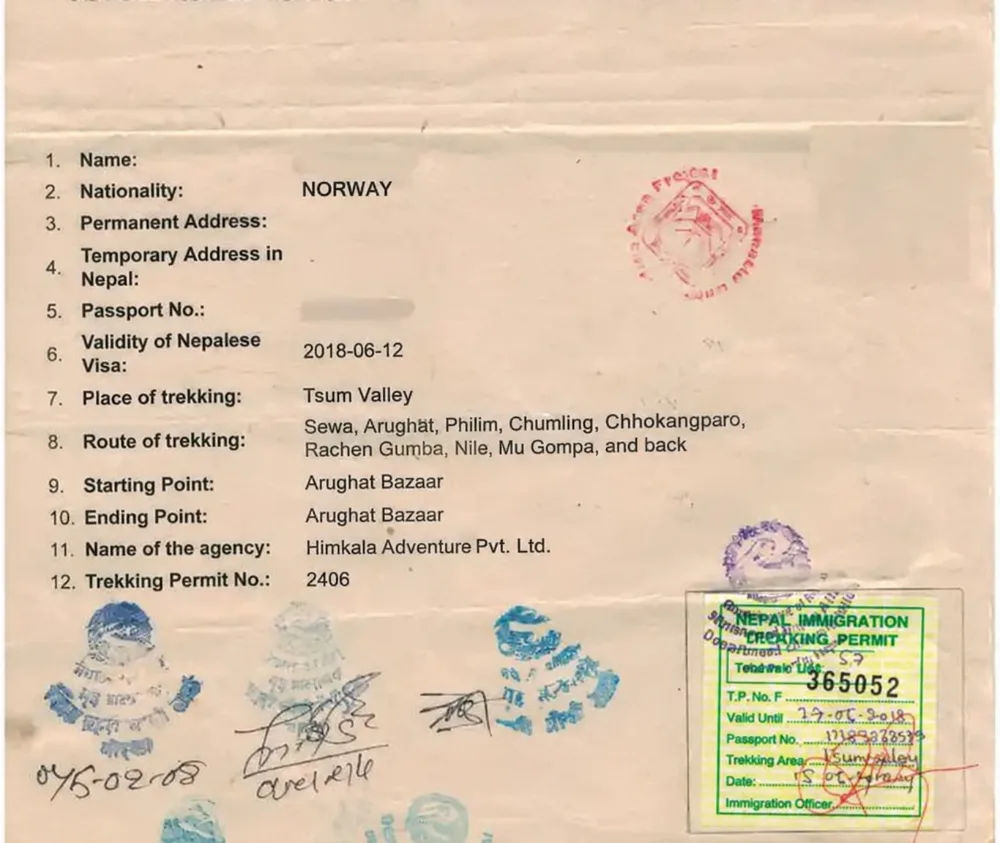
Tsum Valley is a restricted area. You need the Tsum Valley Restricted Area Permit (approximately USD 40-50 for the first week in peak season), plus MCAP and ACAP permits. Total permit costs run around USD 90-100 per person. A licensed guide and a registered trekking agency are mandatory.
Important update for 2026: As of March 2026, solo trekkers can now hold a Restricted Area Permit individually. The old two-trekker minimum has been removed. A licensed guide is still required, but you no longer need to find a partner just to apply.
Duration
10-14 days as a standalone trek, or 18-21 days combined with the Manaslu Circuit.
Best Time
Autumn (September-November) for clear skies and stable trail conditions. Spring (March-May) for rhododendron blooms.
What to Bring
A satellite communicator (Garmin inReach or similar). This isn't optional in Tsum Valley. Your guide should carry one too.
A power bank. Solar charging is limited and often runs out by evening.
Comprehensive travel insurance covering helicopter evacuation up to 4,000m+. Confirm the details before you go.
Enough cash. No ATMs past the trailhead. Teahouses don't accept cards.
Mental Preparation
This is the part most guides skip. Six to eight days of genuine isolation isn't just about missing your phone. It's about being truly unreachable in a place with limited infrastructure and no quick exit. Some trekkers love it. Some struggle. Know which one you are before you commit.
Frequently Asked Questions
Is Tsum Valley safe for solo trekkers?
As of March 2026, solo trekkers can apply for a Restricted Area Permit individually. But "solo" means solo application, not solo trekking. A licensed guide is still mandatory. Given the lack of health infrastructure and limited evacuation options, solo trekking in Tsum is not advisable even if it were permitted.
What happens if I get altitude sickness in Tsum Valley?
Tsum Valley doesn't reach the extreme altitudes of Larkya La. Max altitude is around 3,700m at Mu Gompa. Altitude sickness is less likely than on Manaslu Circuit. But if something serious happens, evacuation is slow and difficult. Comprehensive insurance is essential.
Can I combine Tsum Valley with Manaslu Circuit?
Yes. This is actually the most popular way to do it. You trek through Tsum Valley, then rejoin the Manaslu Circuit at Lokpa and continue over Larkya La. Total duration: 18-21 days.
Do I need a satellite communicator?
Yes. On Manaslu or Annapurna, you can skip it and rely on teahouse WiFi for emergencies. In Tsum Valley, that's not a real plan. Bring a Garmin inReach or similar. Your guide should carry one too.
How does Tsum Valley compare to Upper Mustang?
Both are restricted areas with Tibetan Buddhist culture. Upper Mustang is more arid, more expensive (permit costs around USD 500 for 10 days), and has more infrastructure. Tsum is greener, cheaper, and more remote. Tsum feels more "hidden."
Ready to Plan Your Tsum Valley Trek?
Tsum Valley isn't for everyone. It's remote, basic, and genuinely disconnected. But for trekkers who want the most authentic Tibetan Buddhist experience in Nepal, and who are prepared for the silence that comes with it, it's one of the most rewarding routes in the Himalaya.
We run guided Tsum Valley treks, standalone or combined with the Manaslu Circuit. Every permit, every guide, every detail handled. If you're ready to disappear for a week, get in touch.
Last updated: October 2026. Trail conditions and permit costs can change. Always verify current details with your operator before booking.